Why the Early Arctic Season in Svalbard is so special
Why the Early Arctic Season in Svalbard is so special
The Arctic has its own rhythm.
Many people associate Svalbard with summer: midnight sun, numerous expedition ships and the classic travel season in the far north. But there is another phase of the year that is much quieter and offers a very special atmosphere – the early Arctic season in March.
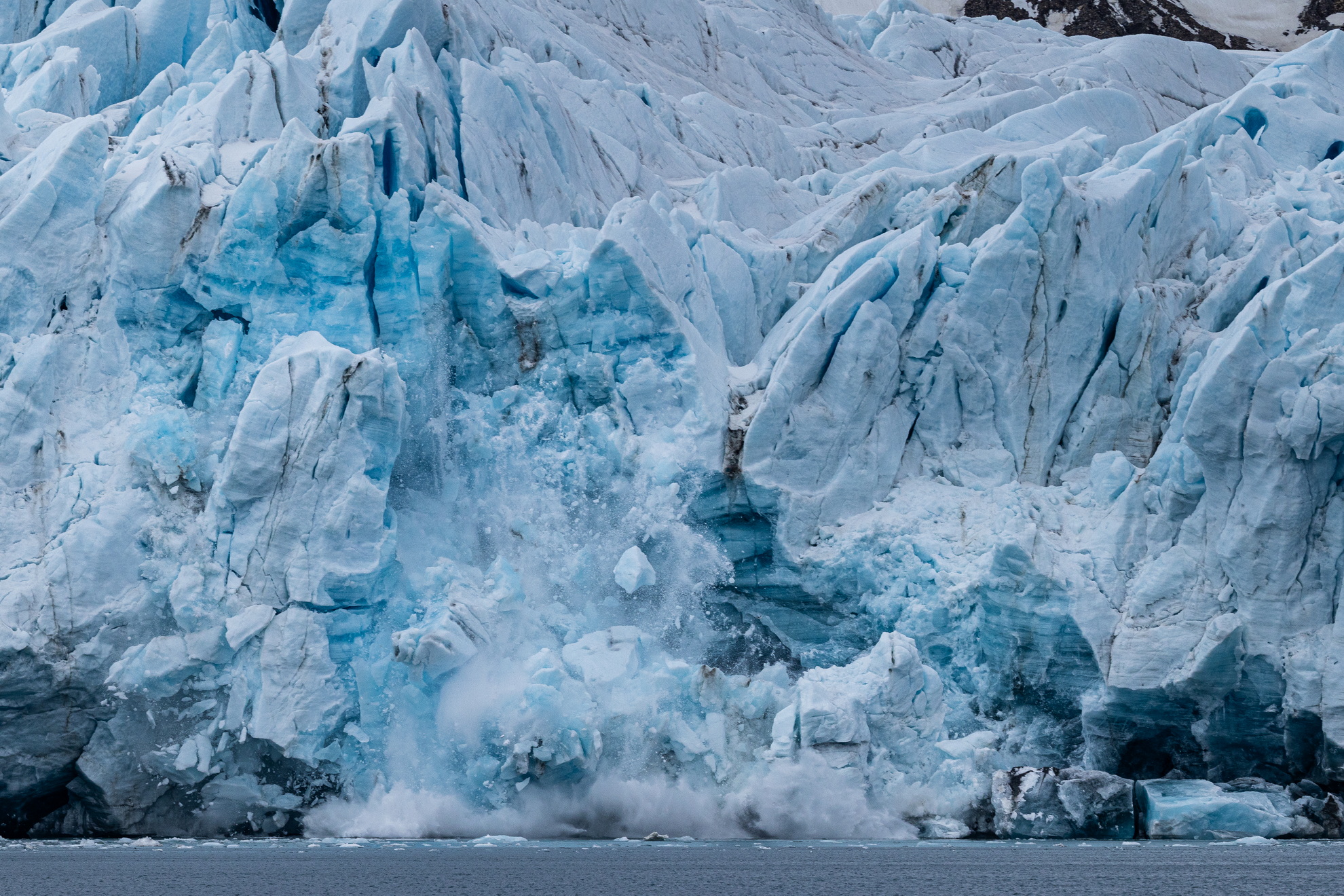
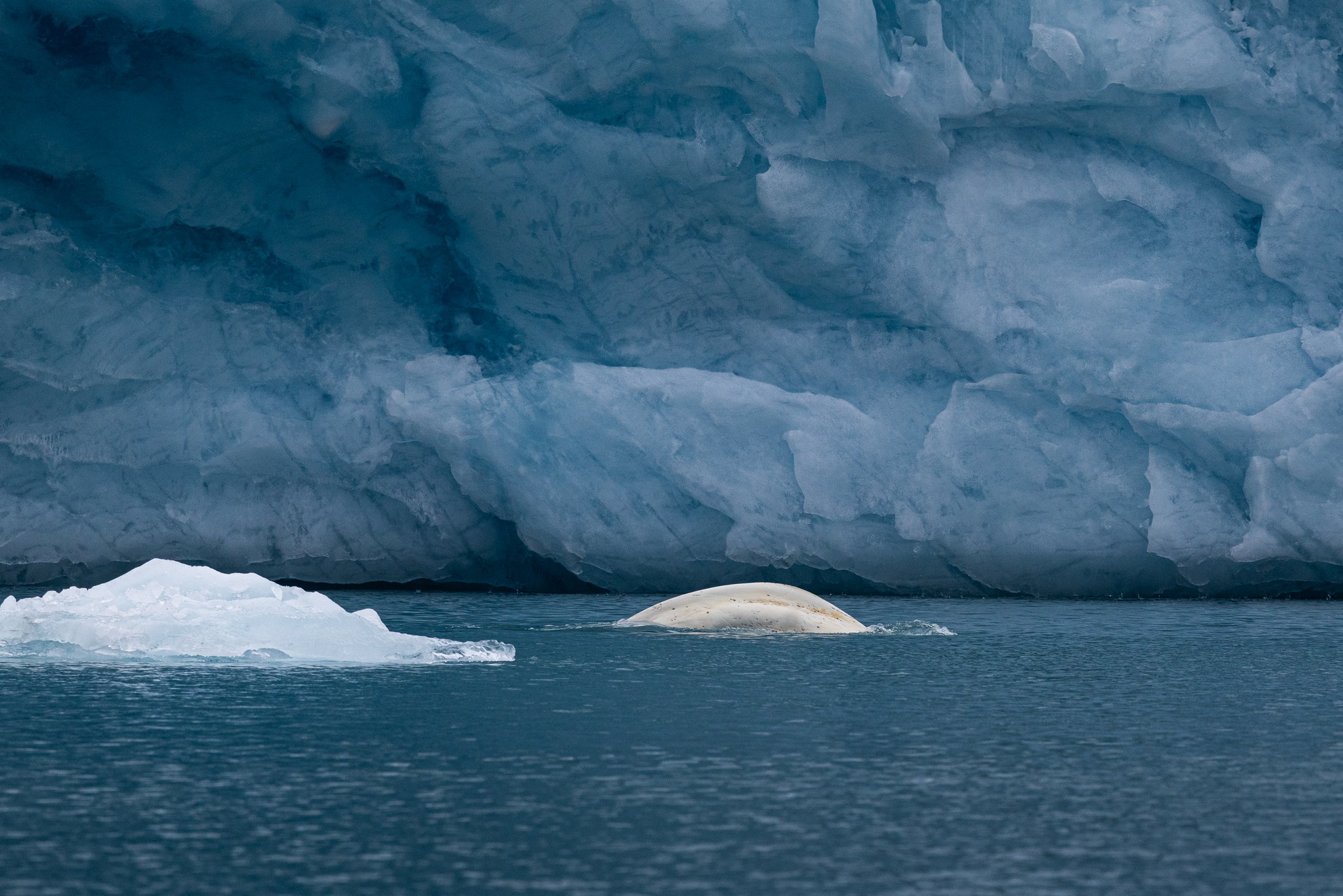
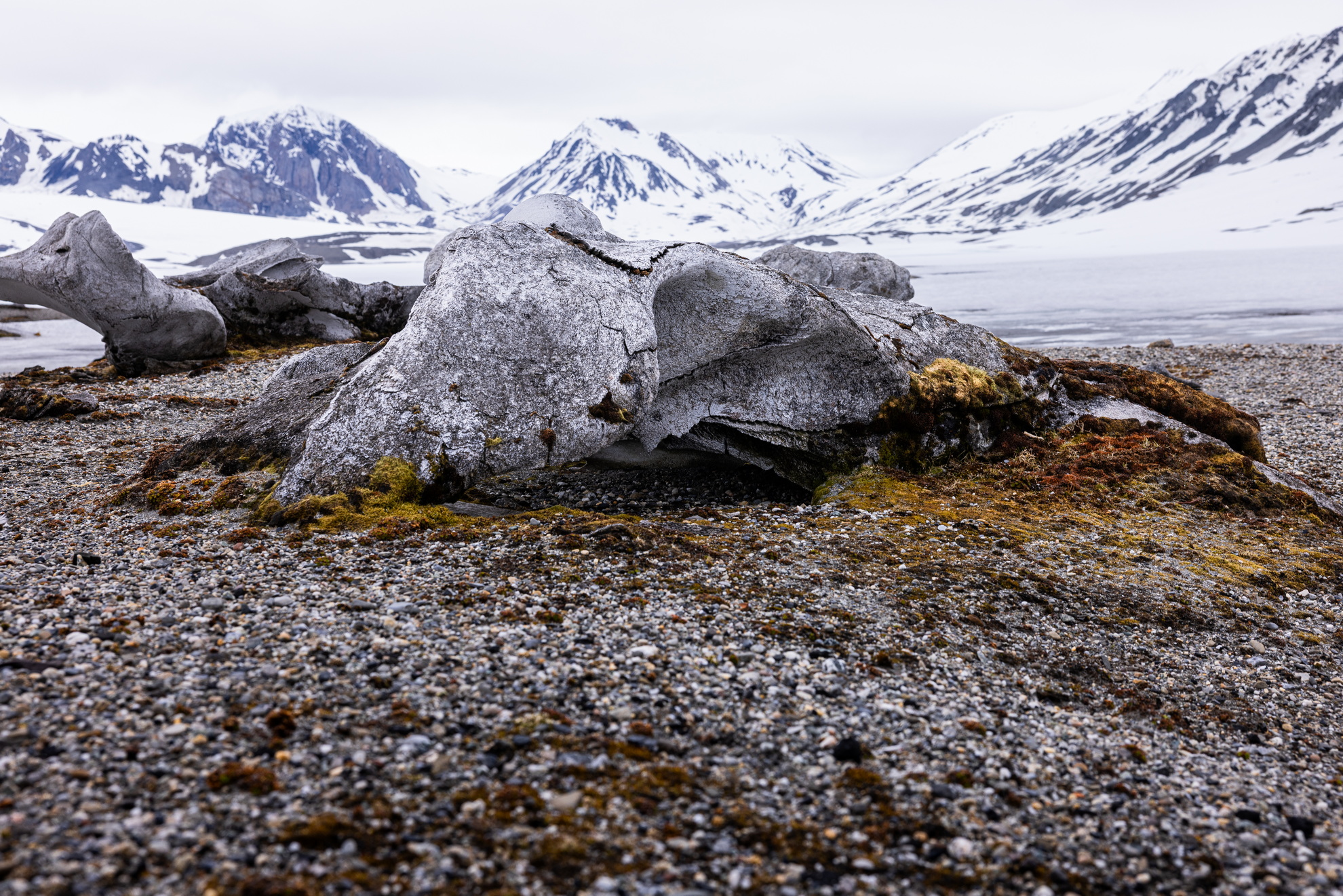
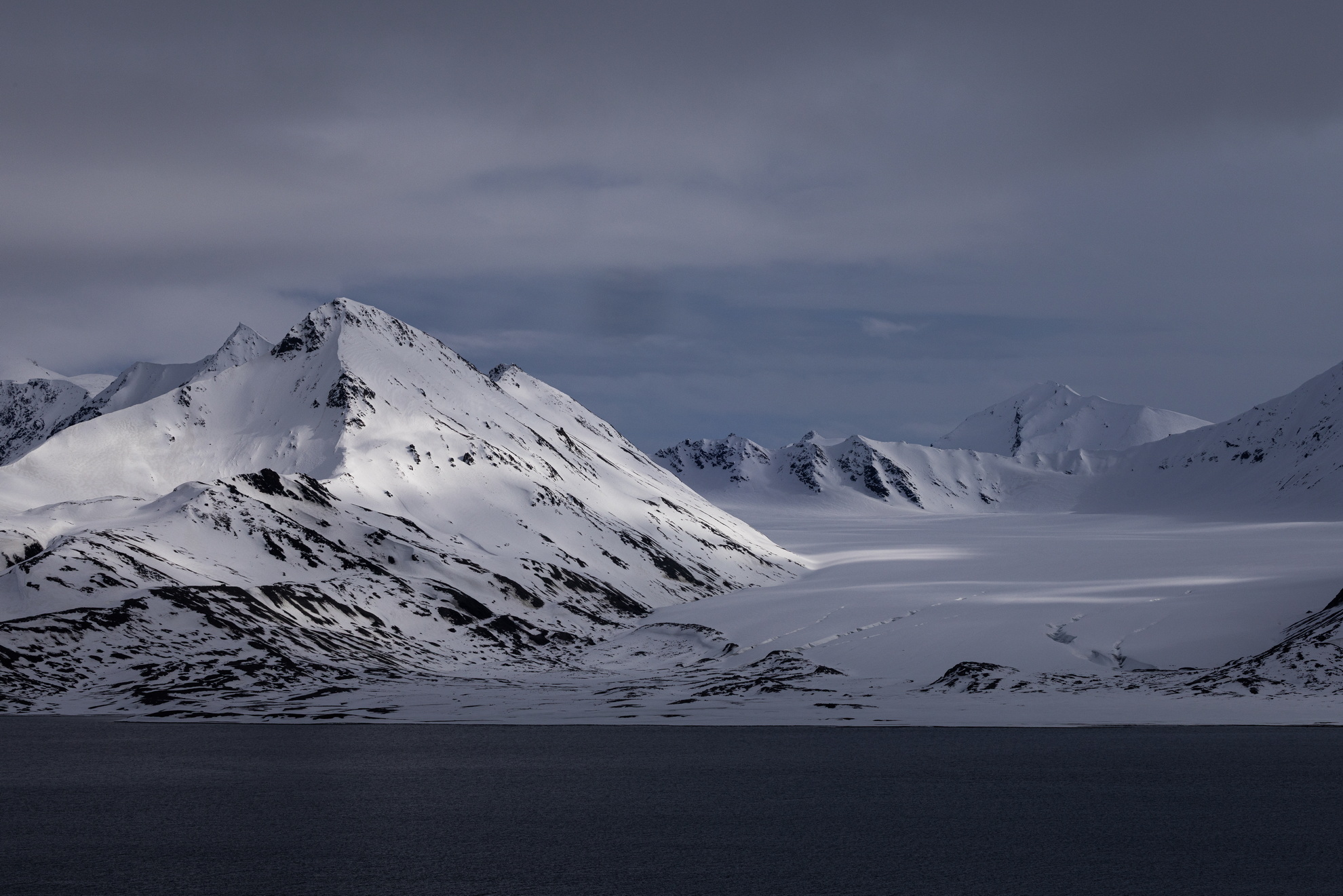
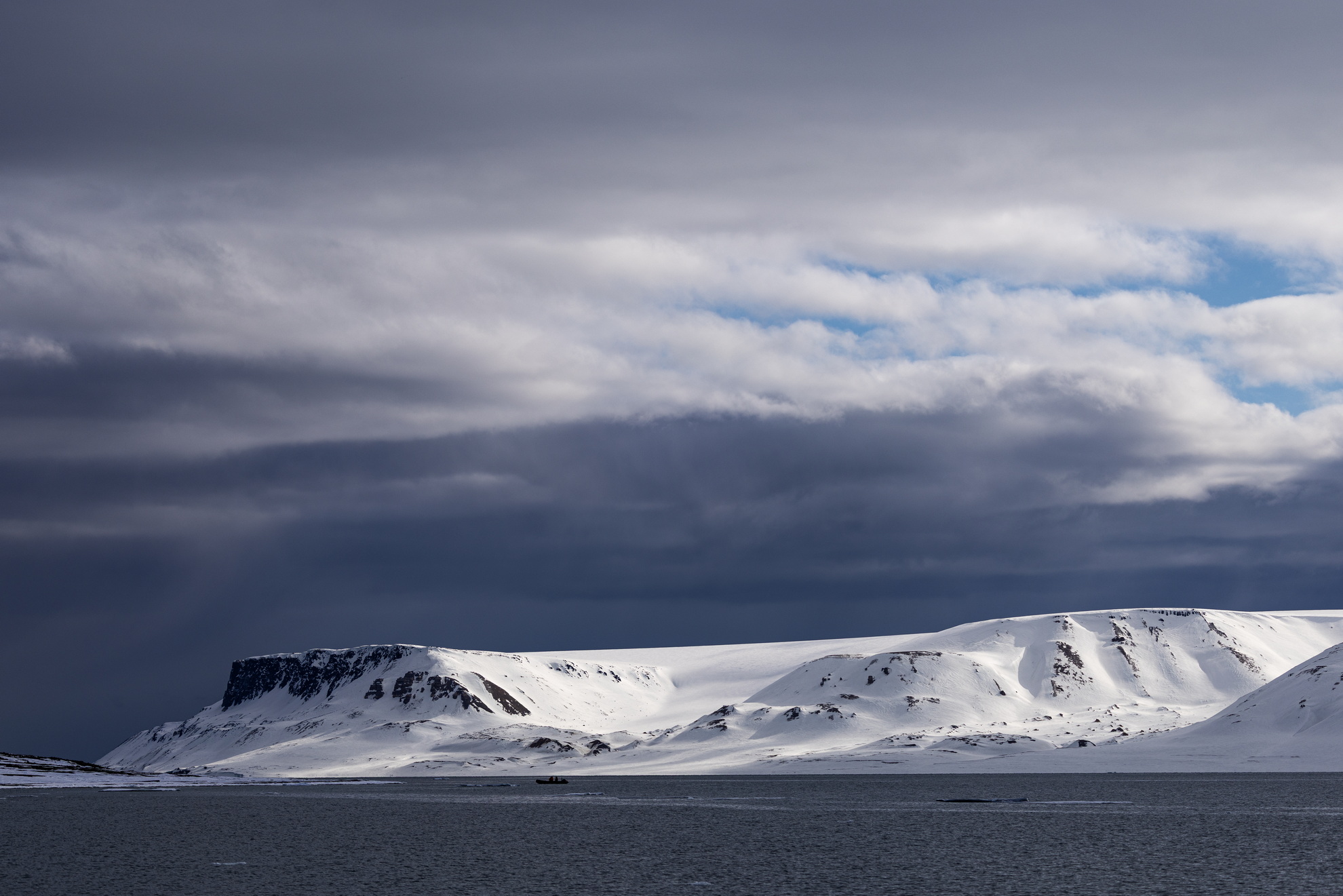
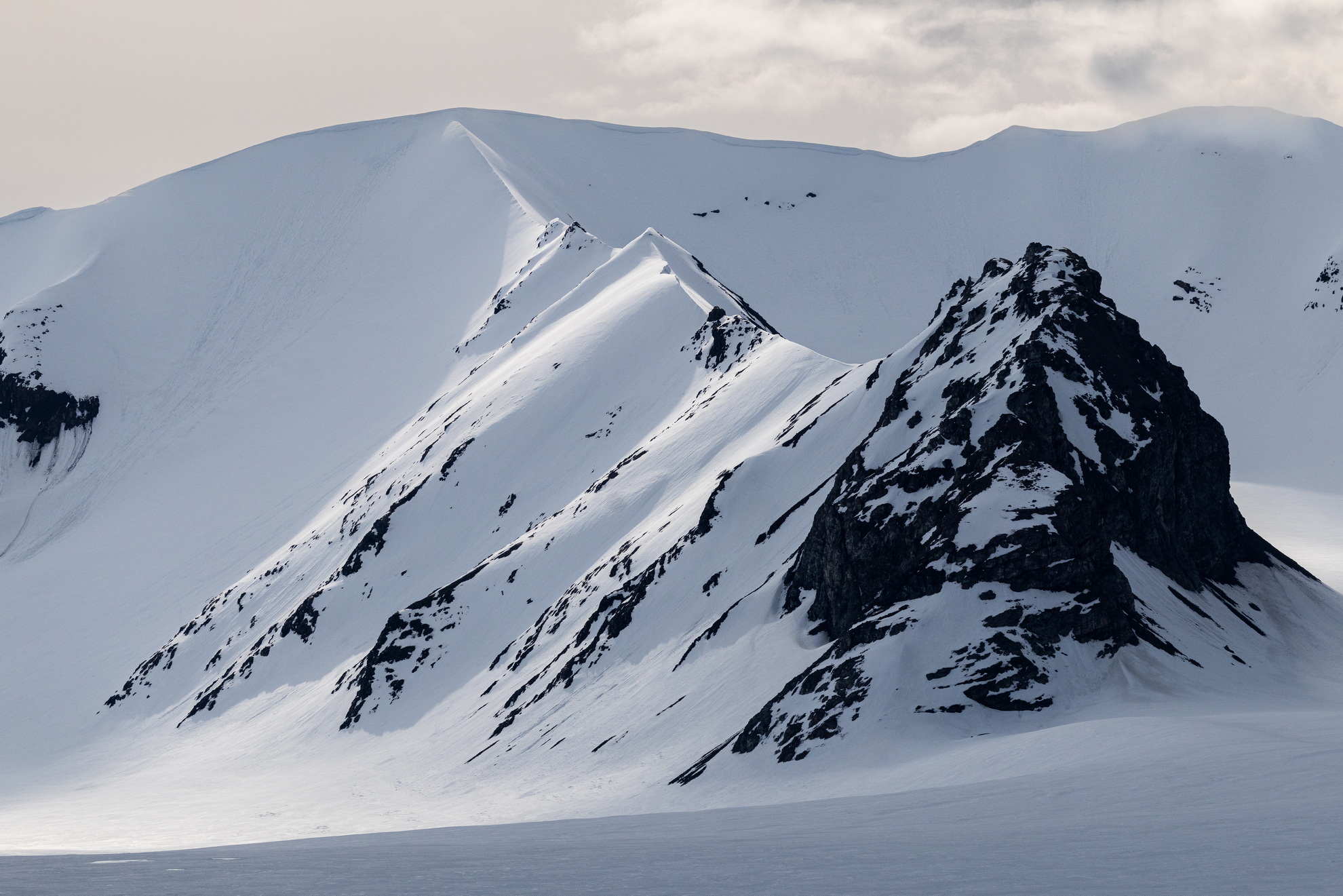
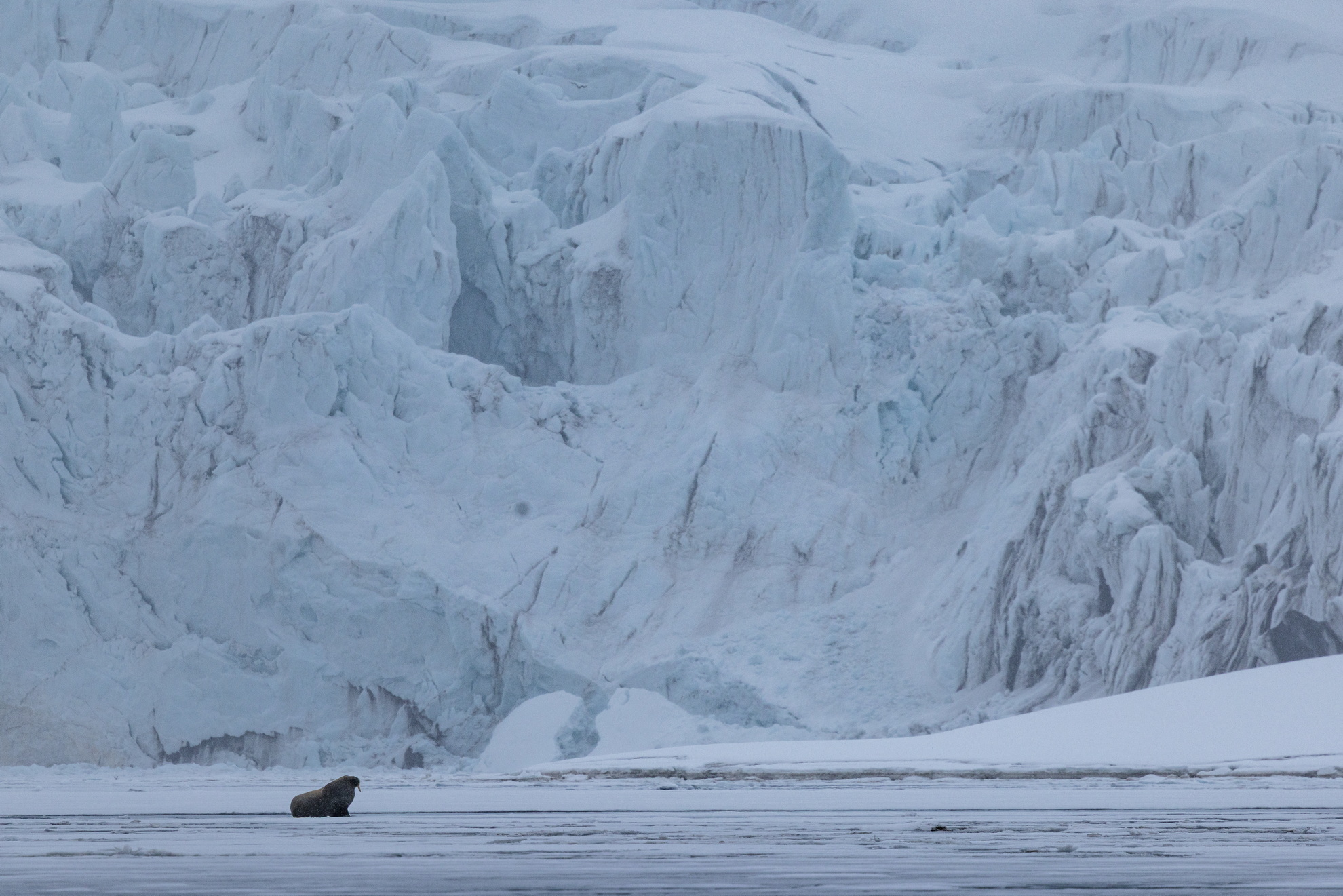
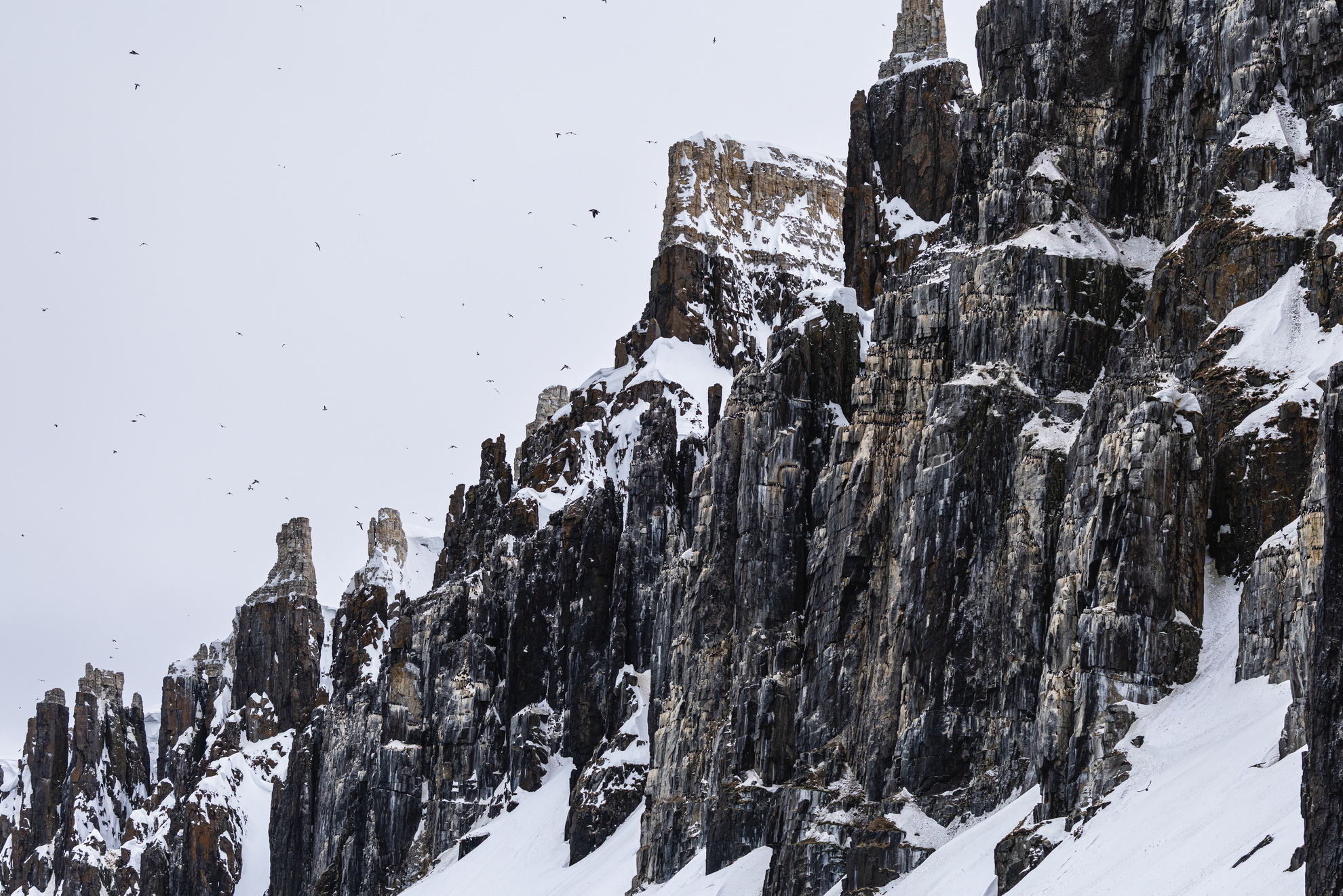
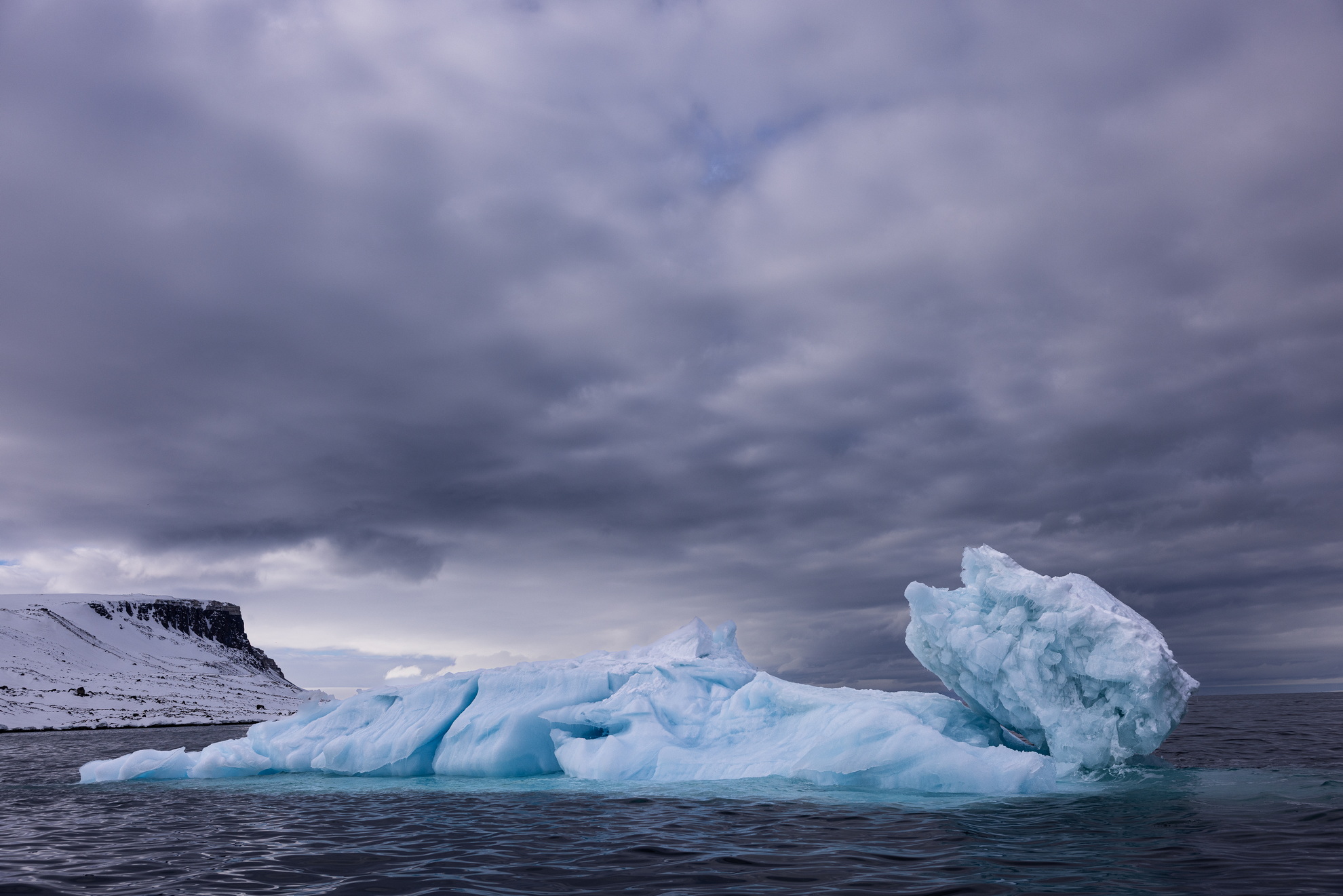
At this time of year, Svalbard is still deep in winter. Snow-covered mountains characterize the fjords, glaciers meet the frozen sea and the pack ice slowly drifts through the waters around Svalbard. At the same time, the sun slowly returns after the long polar night.
The fascinating thing is that there are still real sunrises and sunsets.
While the sun barely sets in summer, it remains low above the horizon in March. This creates an exceptionally soft light with long shadows and colors ranging from delicate pink tones to warm gold and deep blue.
For photographers, this light atmosphere is one of the most beautiful you can experience in the Arctic.
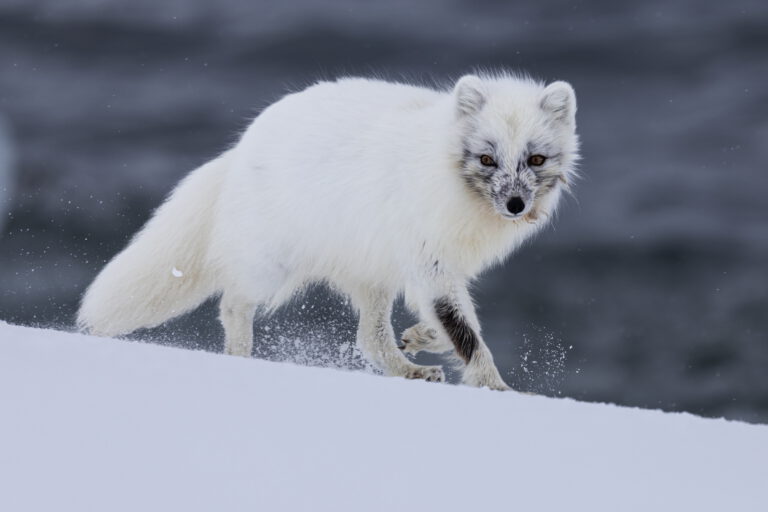
A quieter time in Spitsbergen
The early season not only brings special light, but also a completely different atmosphere.
At this time of year, there are far fewer ships sailing around Spitsbergen. Many fjords seem quiet and untouched and you get a feeling of real seclusion, which is becoming increasingly rare in the polar regions.
Of course we have destinations in mind – places we would like to explore. Some of them are even limited to a very small number of visitors. With a small expedition ship, we have the opportunity to reach such places in the first place.
At the same time, the itinerary remains flexible. Weather, ice and wildlife often determine the course of the day. It is precisely this mixture of planning and adaptability that makes an expedition in the Arctic so exciting.
Pack ice, the heart of the Arctic
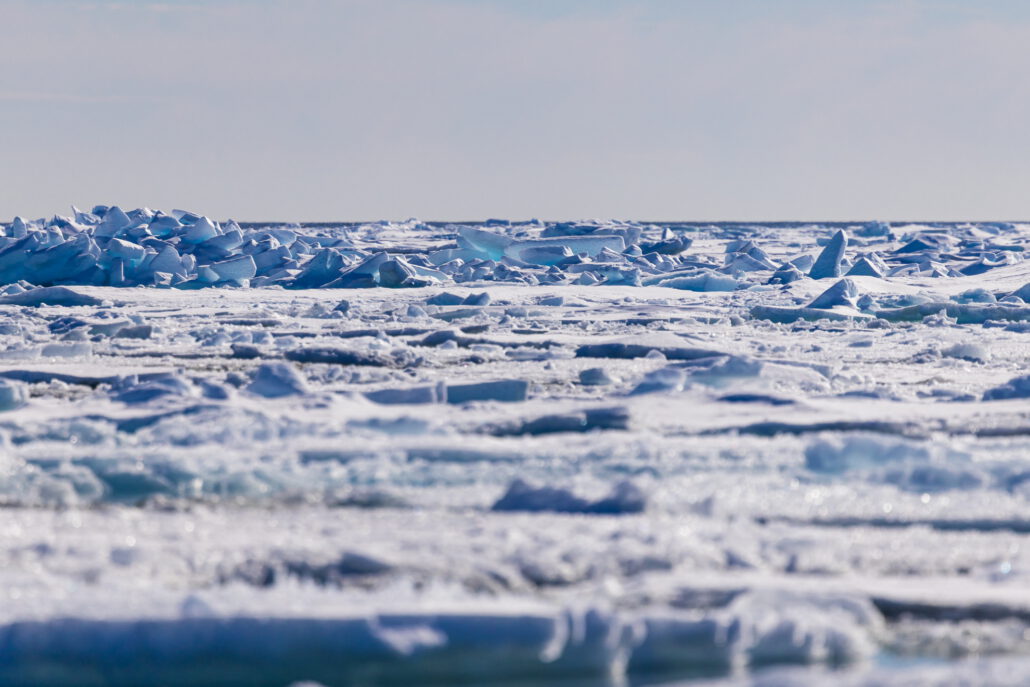
Another highlight of this time of year is the pack ice.
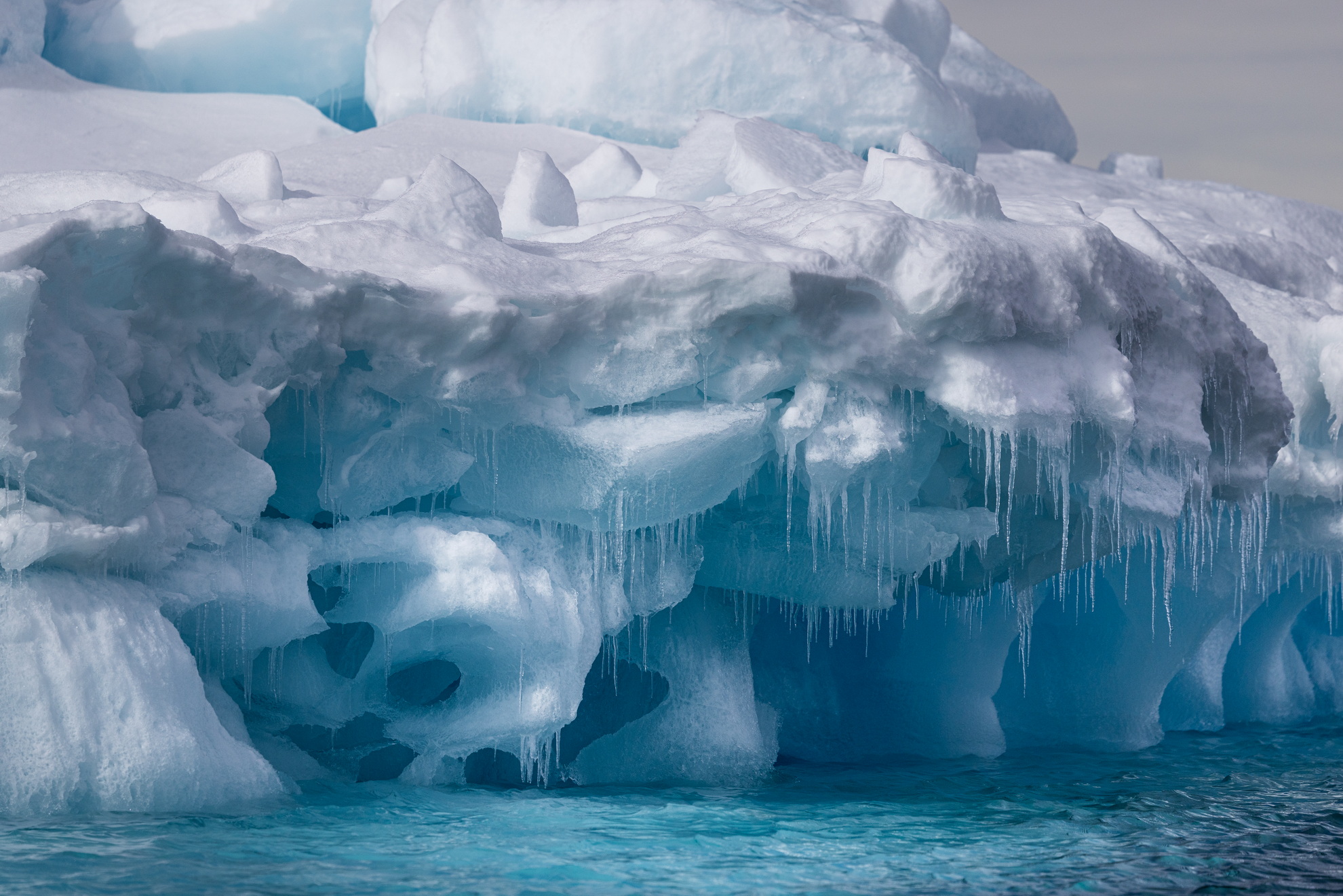
In March, large ice fields still float around Spitsbergen. If conditions permit, we can navigate into this landscape of ice by ship.
It will be possible to park the ship in the ice for one or two nights. At such moments, the atmosphere changes completely. The ship lies still in the pack ice and you experience a silence that is difficult to describe.
This is where very special encounters sometimes occur.
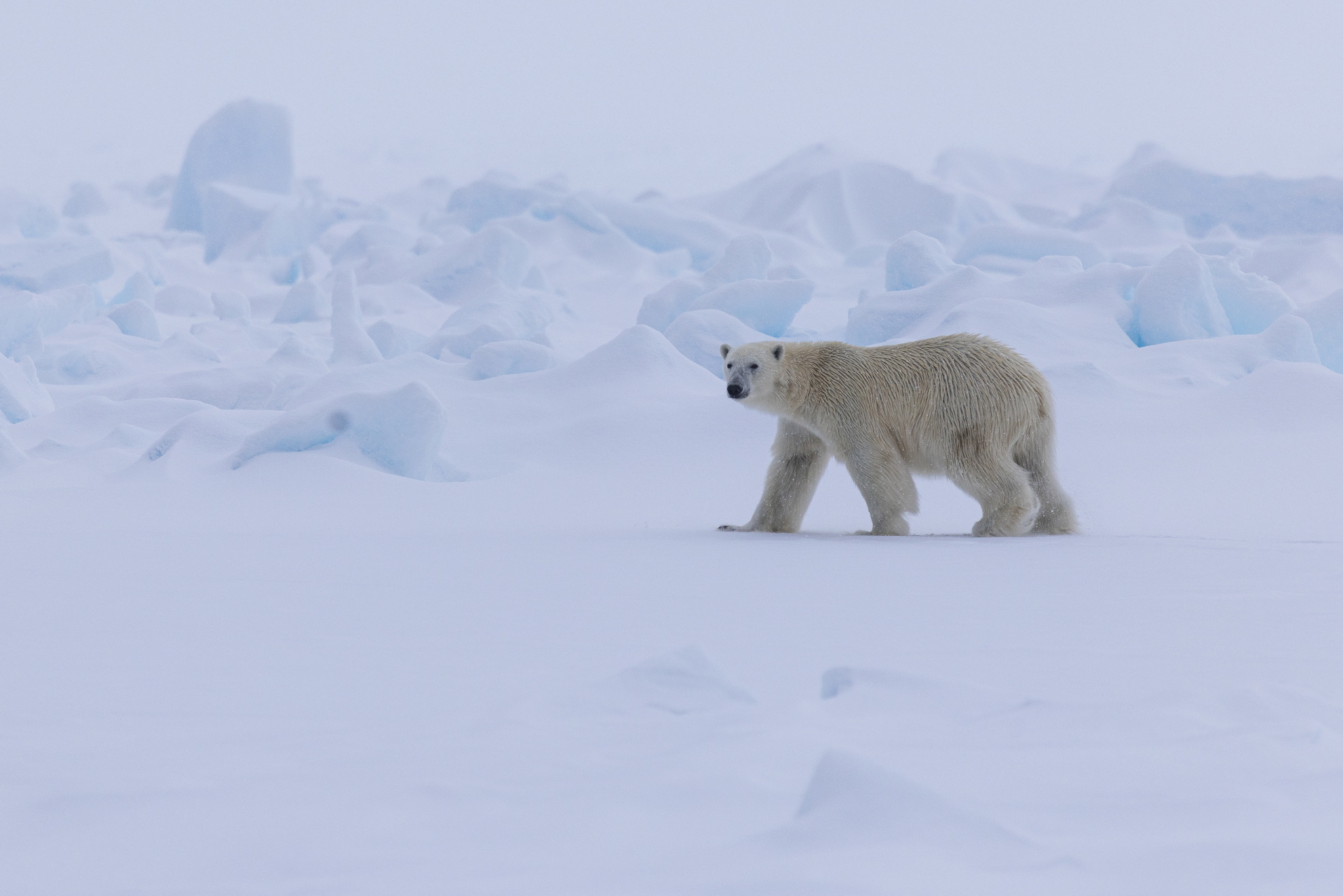
When polar bears are out in the pack ice, their natural hunting ground, they may approach the ship. Of course, this can never be guaranteed – the Arctic always follows its own rules. But it is precisely this possibility that makes such moments so special.
In spring, polar bears are often out and about with their little cubs, which makes this time of year even more special.
Wildlife watching, a bit like a safari
Spotting wildlife in the Arctic sometimes feels like being on safari in the ice.
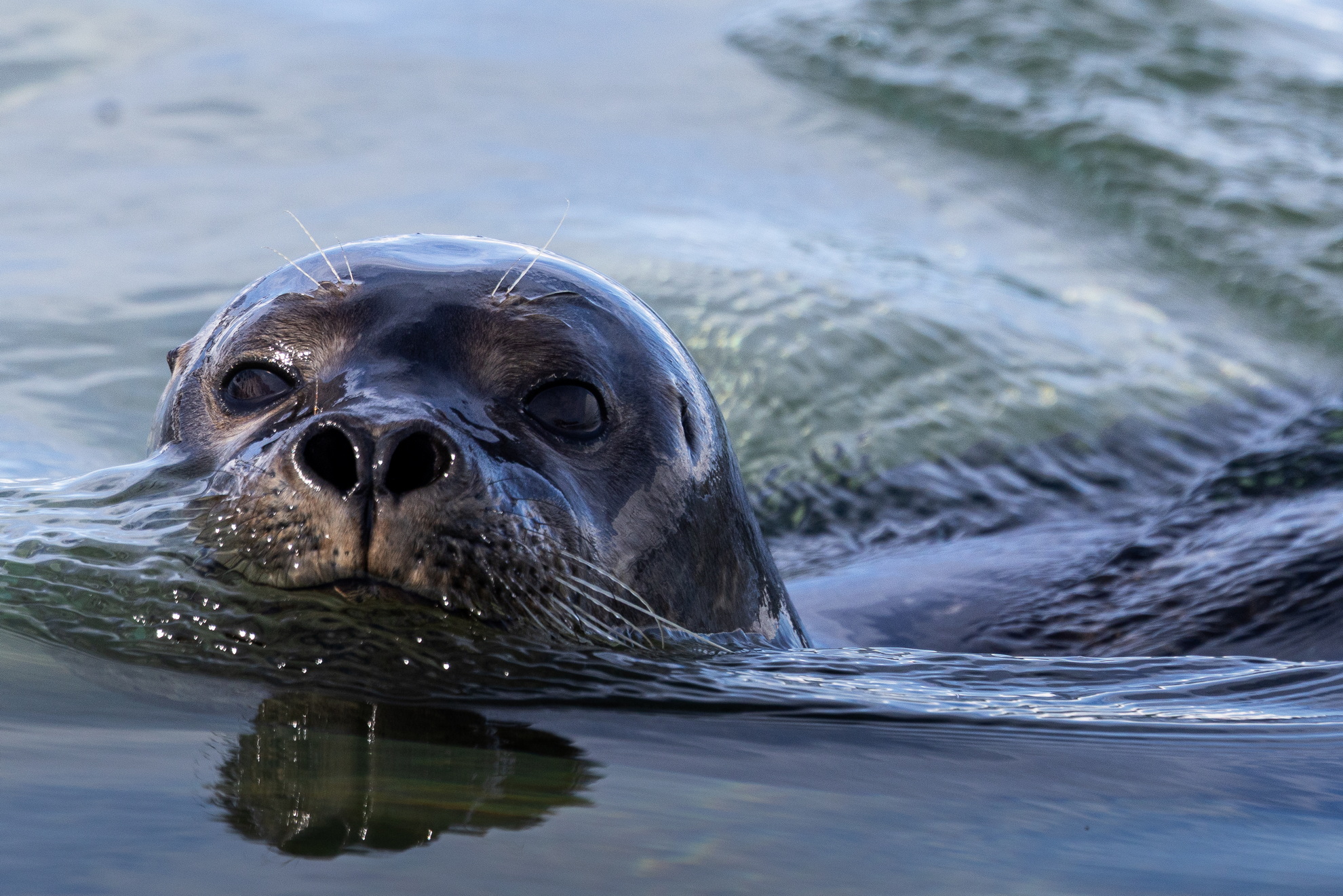
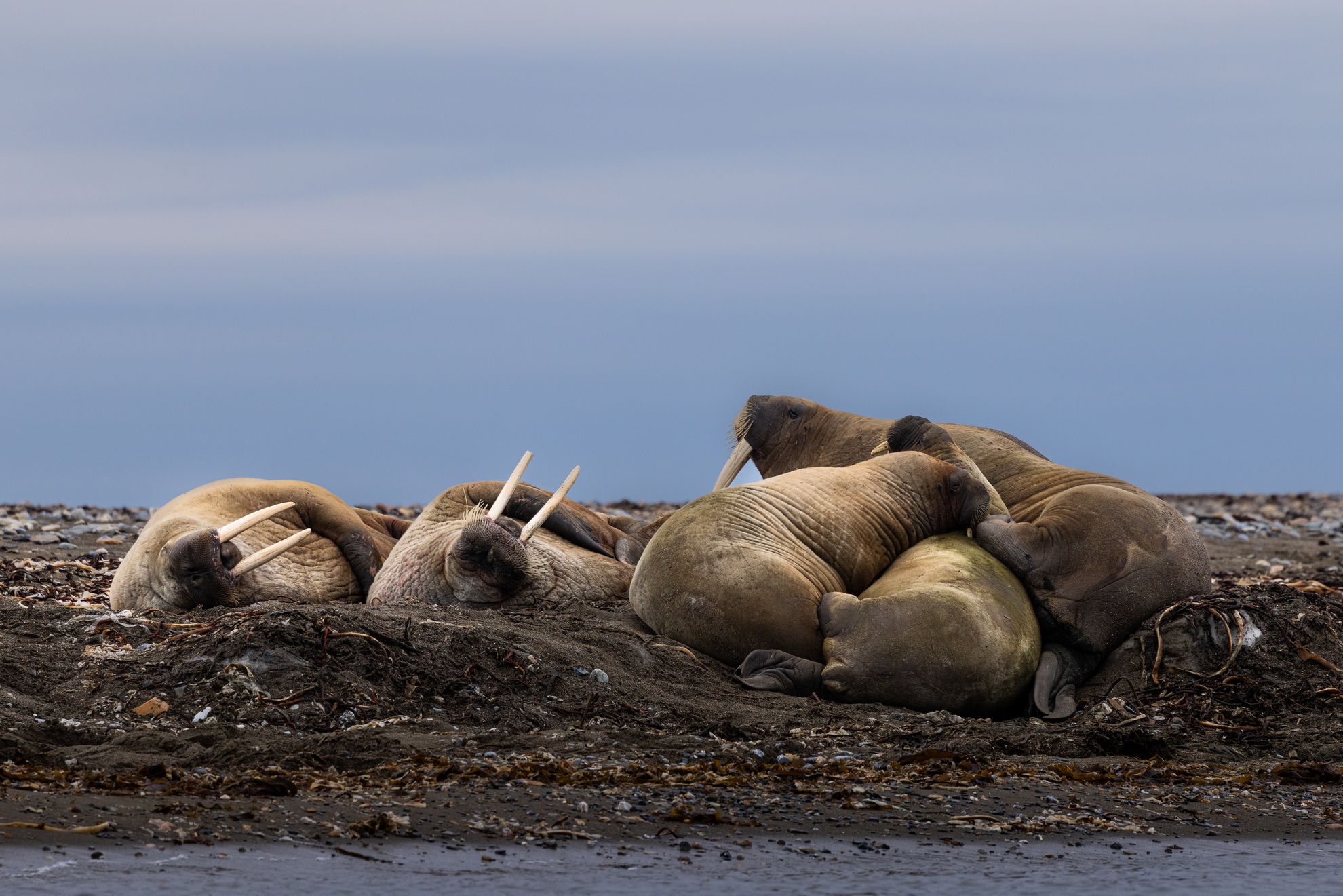
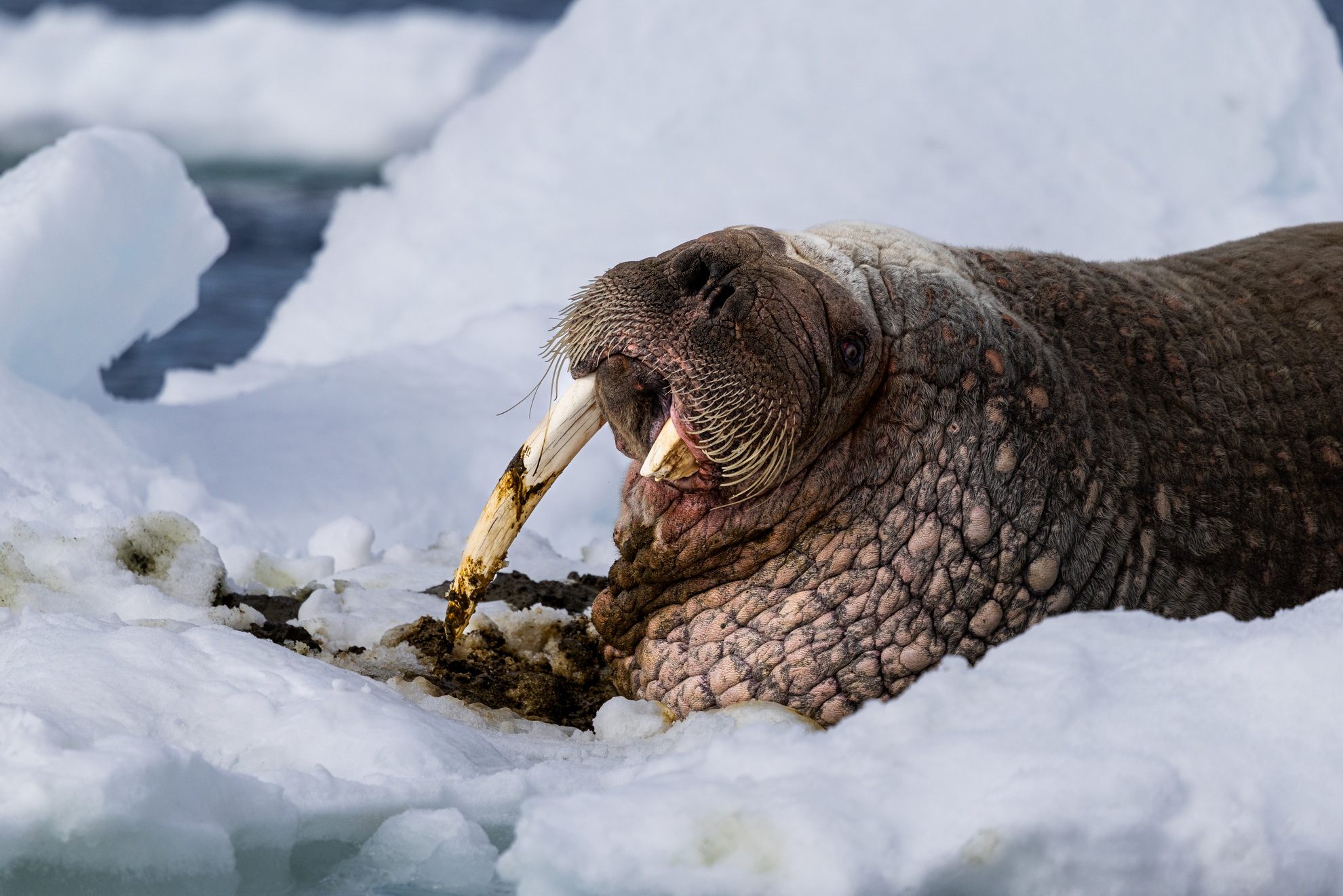
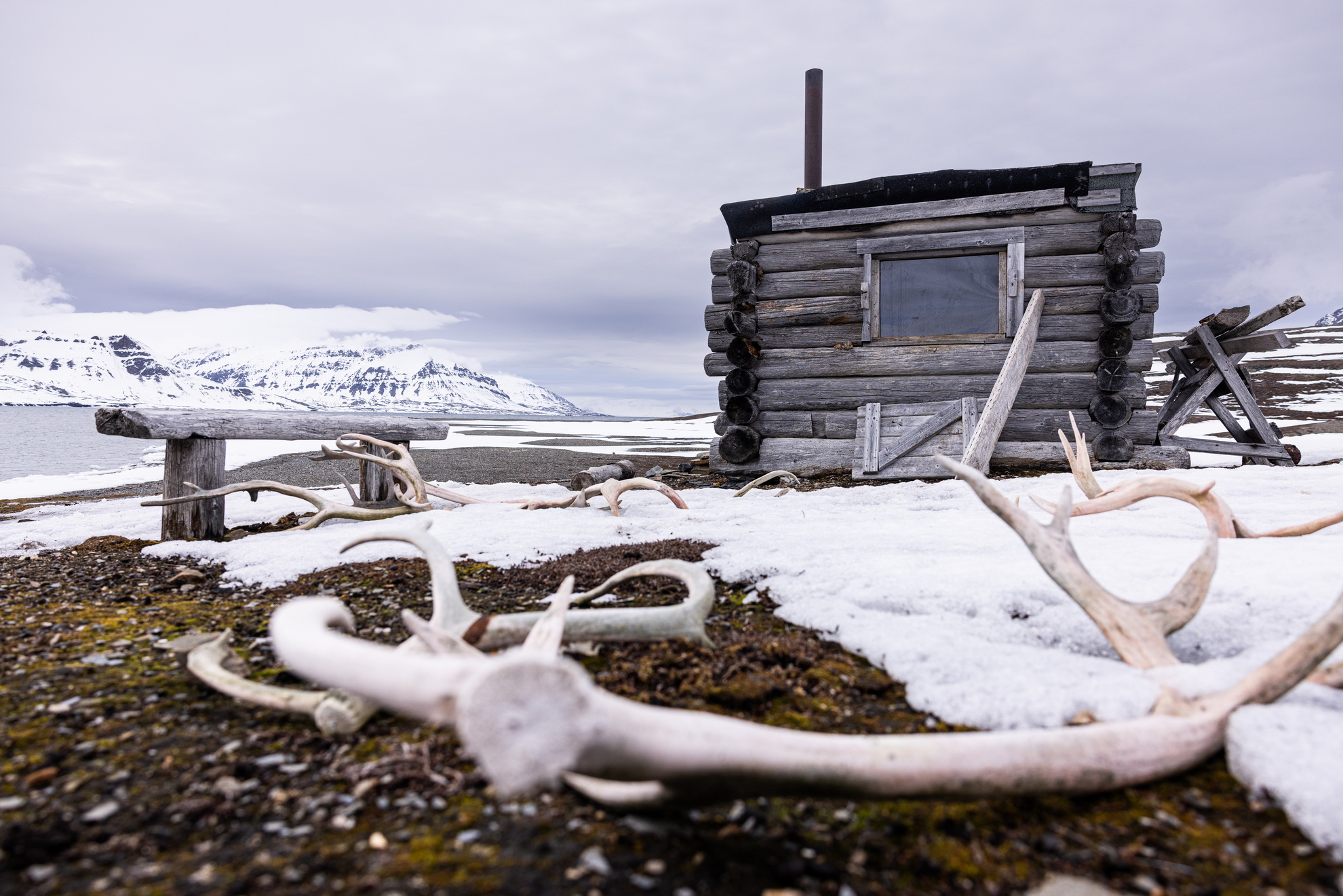
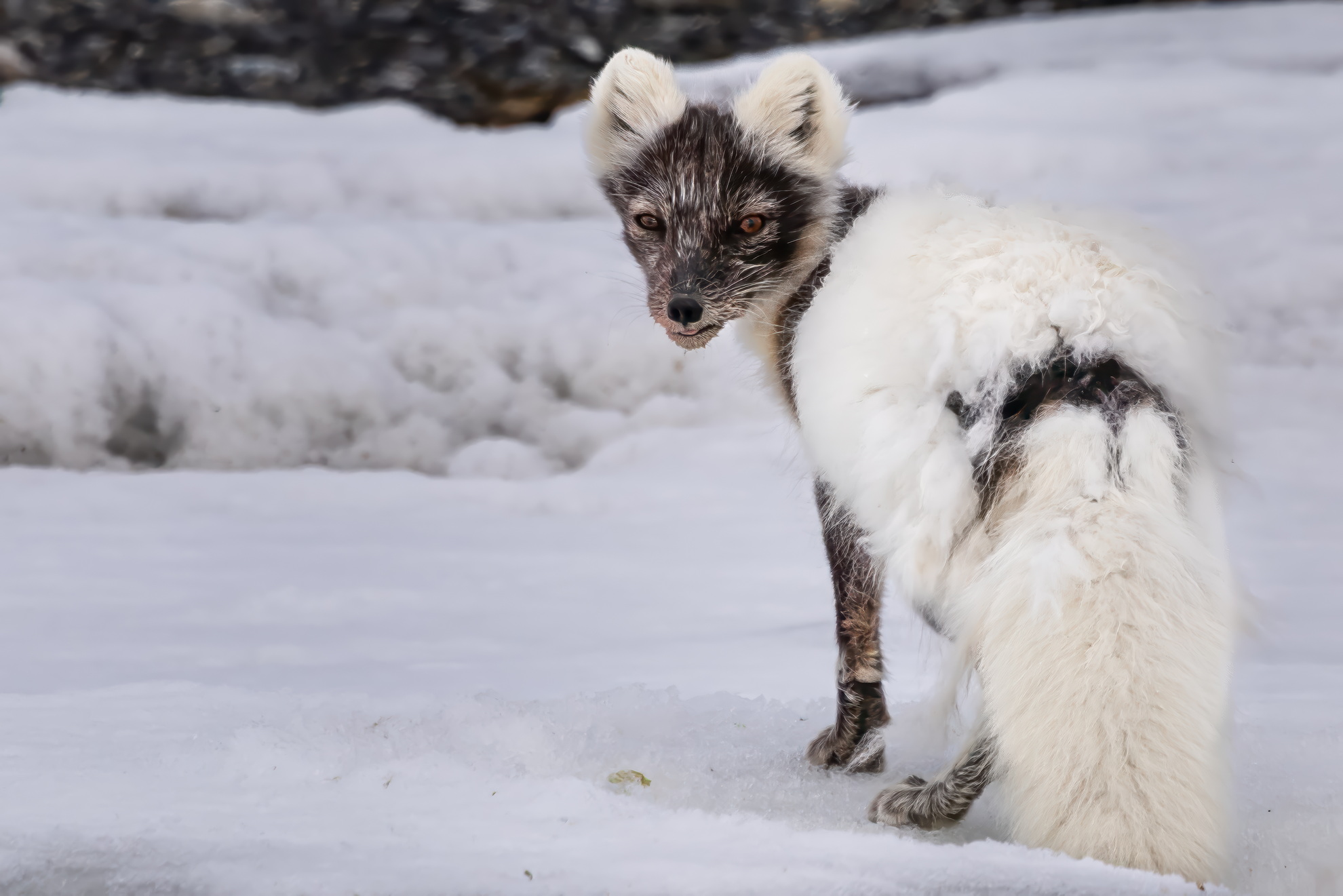
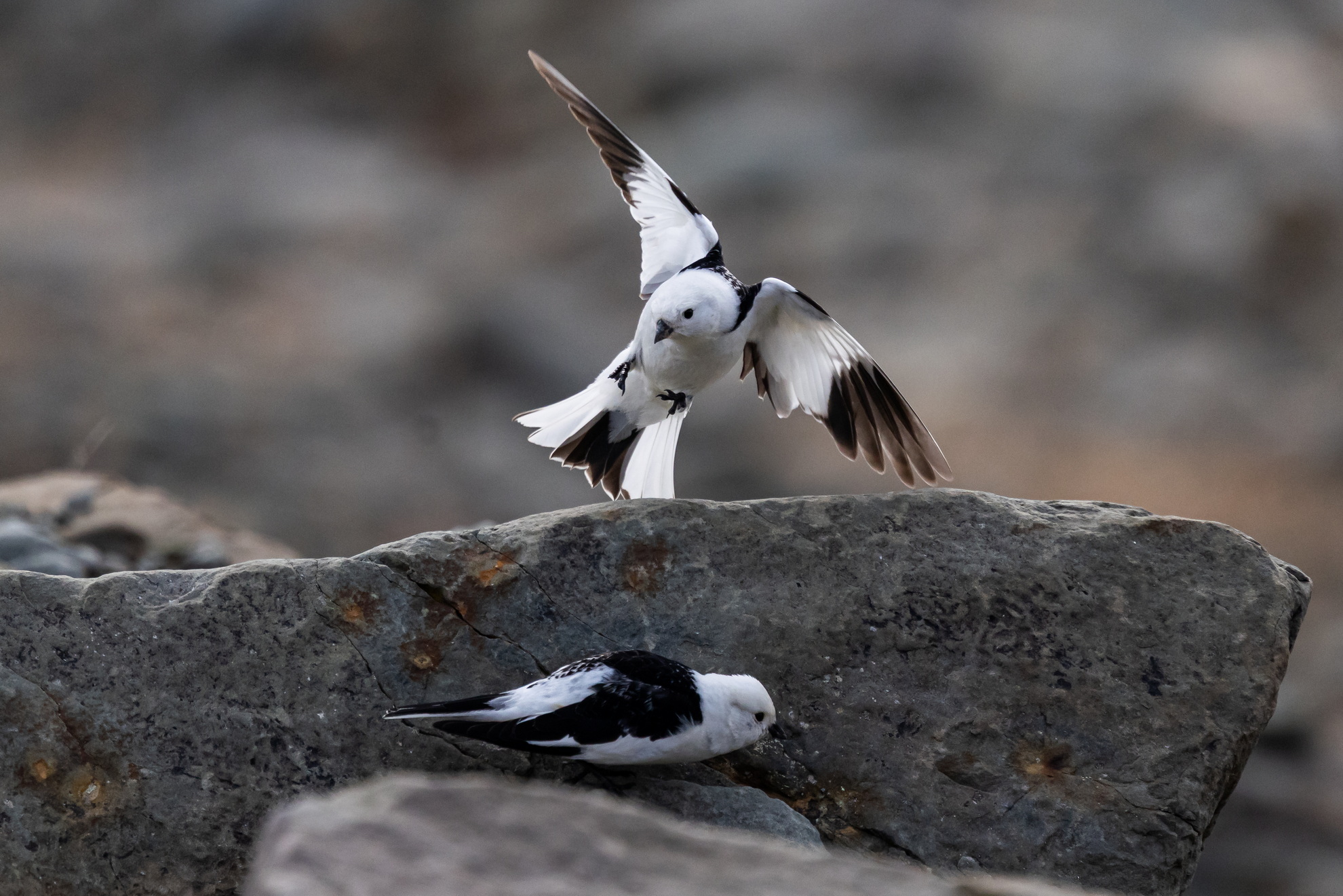
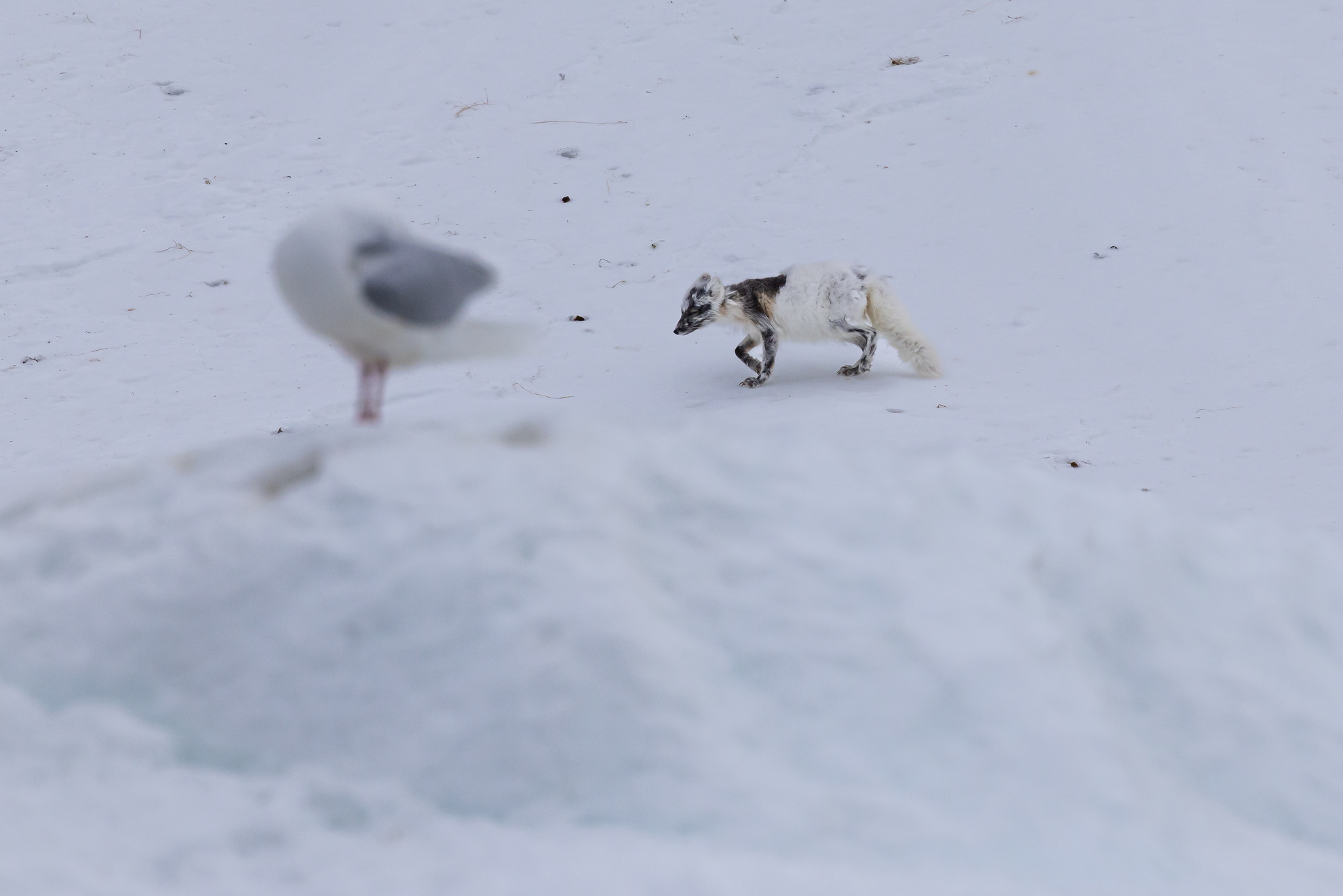
You scan the landscape, looking out for movement – and suddenly someone spots something in the distance. Perhaps a polar bear on the ice, walruses on a remote coast or reindeer wandering through the snowy tundra.
No encounter can be planned, and that is precisely what makes them so exciting. Every sighting is authentic, unpredictable and a real privilege.
With the Zodiac in the middle of the Arctic
Many of the most intense moments are created during our Zodiac trips.
A small expedition ship gives us the freedom to let the Zodiacs into the water spontaneously and react flexibly to situations. If we discover wildlife or see a special light, we can take our time.
We can change positions, find the right angle for a picture or simply observe what happens.
This flexibility is not only valuable for photographers, but for anyone who really wants to experience the Arctic.
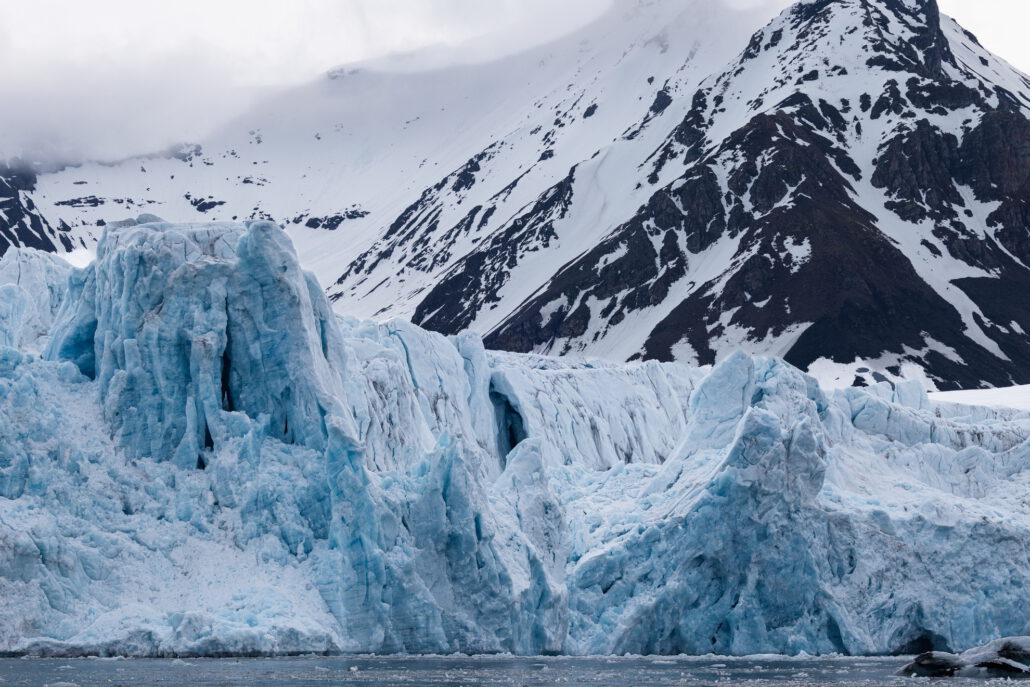
Drifting quietly between ice floes and icebergs, driving along mighty glaciers or observing animals at eye level – this is where you get the feeling of really being part of this landscape.
Why March is a kind of insider tip
Among expedition guides and polar enthusiasts, March is often regarded as a kind of secret season for Svalbard.
The landscape is still completely wintry, while the light is already returning. At the same time, there are only a few ships on the water, which gives the region a special sense of calm.
Another reason for this are the so-called micro cruises.
More and more travelers are consciously opting for these small expedition trips. Instead of hundreds of passengers, only small groups travel through the Arctic.
With just a few guests on board, a completely different dynamic is created. Decisions can be made more spontaneously, Zodiac trips can be organized more quickly and you can stay longer in one place if a special situation arises.
Large ships follow fixed routes.
Micro Cruises follow the rhythm of the Arctic.
A small expedition to the Arctic
In March 2027, I will be accompanying a small expedition to Spitsbergen at this very special time of year.
Together we will travel for nine days through the fjords and pack ice around Svalbard – with a maximum of 12 guests on board the RV Kinfish, a small expedition ship that gives us access to regions that larger ships cannot reach.
I will personally accompany the trip and contribute my experience from many months in the Arctic and Antarctic as an expedition photographer, Zodiac driver and guide. In addition, two other experienced expedition guides from my network will be joining us. support. Together we will provide insights into photography, wildlife, polar regions and life on expedition.
This trip is not just for photographers. It is designed for anyone who is drawn to wild places and really wants to experience the Arctic.
A journey that lasts
From March 26 to April 3, 2027, we will travel together through this extraordinary landscape.
Small ship.
Drifting ice.
The first colors of the Arctic spring.
And perhaps the very moments that make an expedition unforgettable.
I’m already looking forward to heading north together.

Comments are closed.